
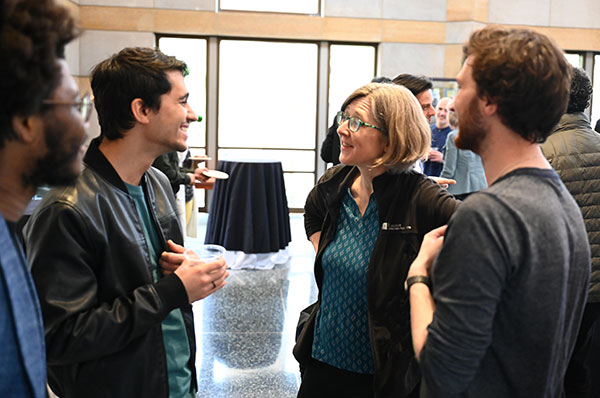
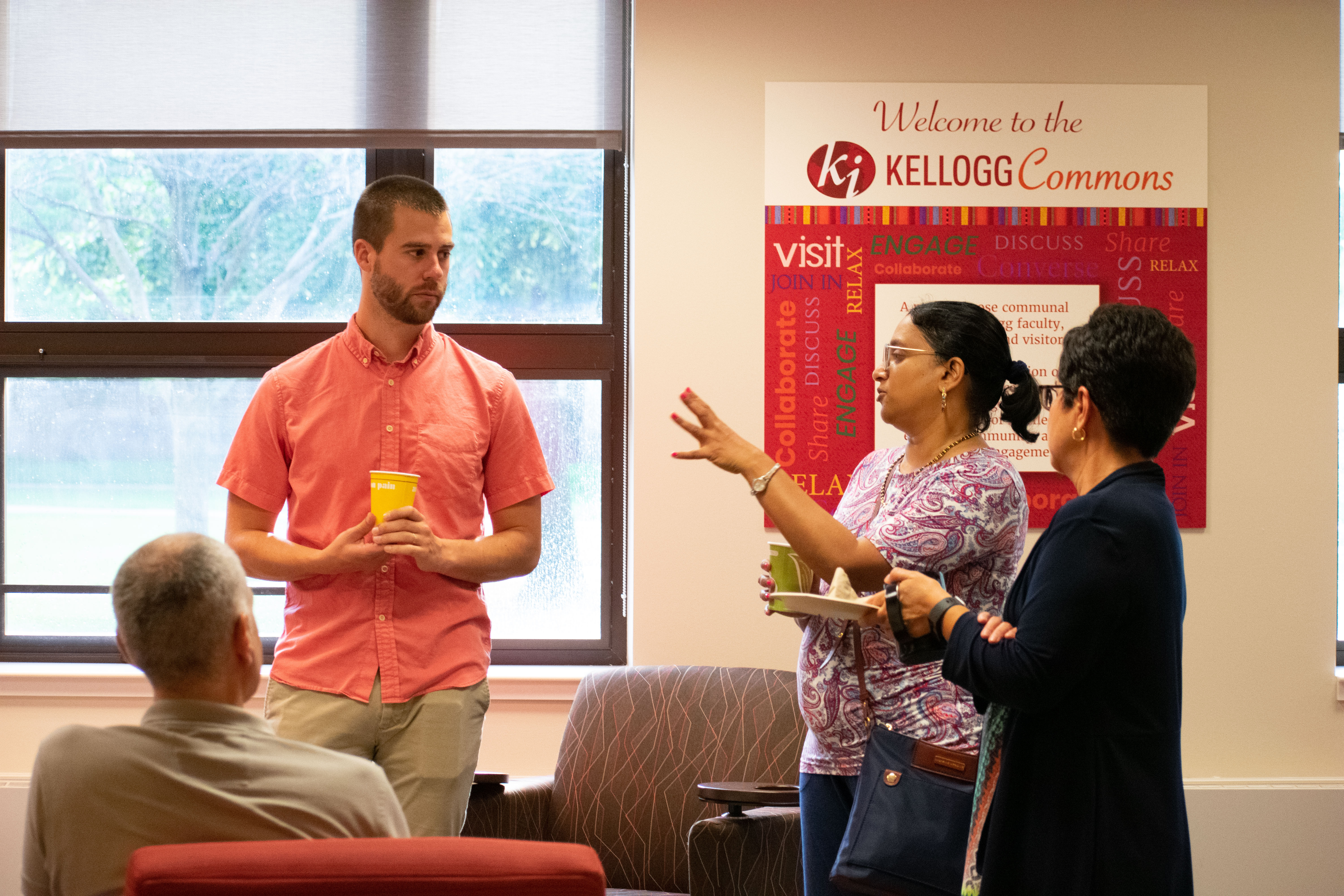
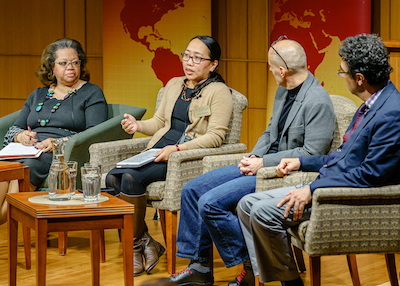
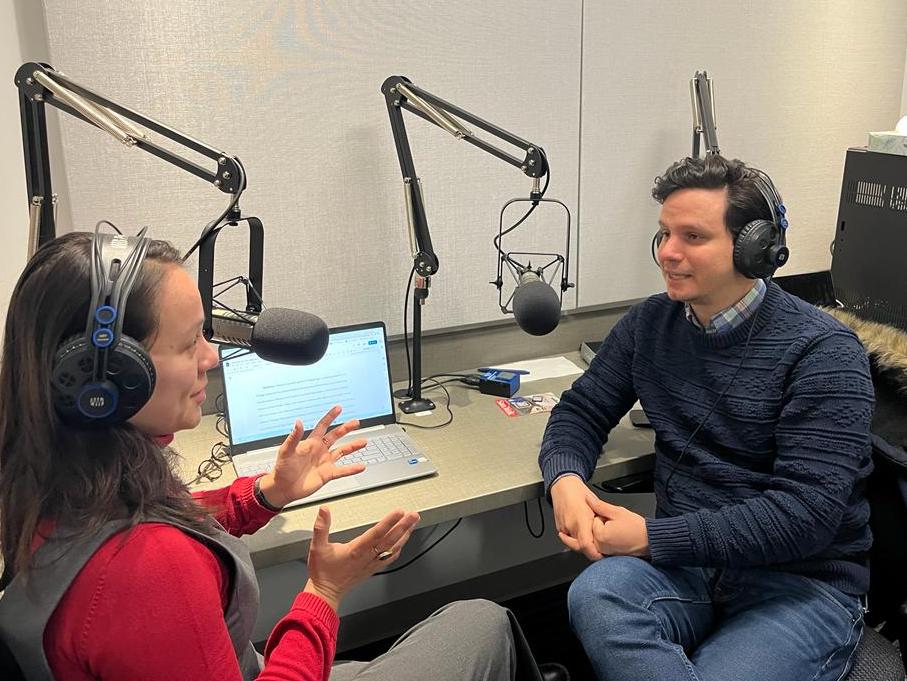
Now brought to you by the Kellogg Institute, the Democracy Paradox podcast brings scholars from political science, sociology, economics, and other disciplines to discuss social and political ideas. The aim is not to debate policy or politics, but to introduce new concepts to listeners so they can understand politics and society better. The host, Justin Kempf, works to create conversations that test our assumptions about democratic governance, while offering hope for the success of democratic ideals.
 

    Click episode titles below to see Show Notes, Links, and other resources.

Natalie Wenzell Letsa Describes the Autocratic Voter

In this episode of The Democracy Paradox, host Justin Kempf speaks with political scientist Natalie Wenzell Letsa about why some voters genuinely support ruling parties in electoral autocracies. Drawing on her book The Autocratic Voter and fieldwork in Cameroon, Letsa explains how partisan identities form under dictatorship and what these dynamics reveal about democracy, polarization, and political behavior more broadly.

Episode: Natalie Wenzell Letsa Describes the Autocratic Voter
Published: January 7, 2026
Length: 50:15
Host: Justin Kempf


Russell MuirheadRussell Muirhead Warns Ungoverning Threatens Democracy 

In this episode of Democracy Paradox, host Justin Kempf speaks with political theorist Russell Muirhead about his book Ungoverning and the growing attack on the administrative state. Muirhead explains how “ungoverning” undermines government’s capacity to carry out basic functions, replaces expertise with personalized power, and fuels democratic backsliding. The conversation explores why effective governance is essential to democracy – regardless of ideology – and what is at stake when governing gives way to chaos.


Episode: Russell Muirhead Warns Ungoverning Threatens Democracy
Published: December 24, 2025
Length: 50:43
Host: Justin Kempf


Luis Schiumerini on Incumbency Bias

This episode of The Democracy Paradox features political scientist Luis Schiumerini discussing his new book Incumbency Bias: Why Political Office is a Blessing and a Curse in Latin America, which reveals how holding office can either help or hurt politicians depending on whether institutions give them the capacity to meet the high expectations voters place on them. Drawing on cases from Brazil, Argentina, and Chile, Schiumerini explains how mismatches between responsibility and resources can produce either reelection advantages or disadvantages, showing that incumbency bias is often a natural result of democratic accountability rather than a sign of manipulation or backsliding.

Episode: Luis Schiumerini on Incumbency Bias
Published: December 10, 2025
Length: 44:48
Host: Justin Kempf


Adam Przeworski Asks Who Decides What is Democratic

In this episode, host Justin Kempf talks with political scientist Adam Przeworski about what truly defines democracy today. Przeworski explains why he sees no global democratic crisis, defends a minimalist view centered on free and fair elections, and reflects on why democracies struggle to reduce inequality. He also discusses why citizens sometimes tolerate democratic erosion and how modern autocracies maintain support, offering a clear and concise perspective on democracy’s strengths and limits.

Episode: Adam Przeworski Asks Who Decides What is Democratic
Published: November 25, 2025
Length: 50:44
Host: Justin Kempf


Killian Clarke Warns Counterrevolution is a Threat to Nascent Democracies

Political scientist Killian Clarke joins The Democracy Paradox to discuss his new book, Return of Tyranny: Why Counterrevolutions Emerge and Succeed. He explains why democratic revolutions are especially vulnerable to reversal, how elites and citizens can align in counterrevolutionary movements, and what these dynamics reveal about democracy’s fragility and endurance today.

Episode: Killian Clarke Warns Counterrevolution is a Threat to Nascent Democracies
Published: November 12, 2025
Length: 51:54
Host: Justin Kempf


Amel Ahmed Says the Regime Question Has Returned

This episode begins with host Justin Kempf and Javier Pérez Sandoval setting the stage for a deep dive into the “regime question,” highlighting its significance in democratic theory and contemporary politics. Their introductory discussion explores foundational divides in political systems and frames the questions that will be pursued, particularly the tensions between institutional arrangements and party cleavages. The heart of the episode follows as Kempf interviews Amel Ahmed, who draws on her comparative research to examine historical battles over parliamentary power, suffrage, and executive authority in the United Kingdom, United States, and Germany. Ahmed connects these cases to present-day concerns about legislative dysfunction and polarization, demonstrating that ongoing contestation over the rules of democracy is both persistent and essential to democratic governance.

Episode: Amel Ahmed Says the Regime Question Has Returned
Published: October 29, 2025
Length: 49:06
Host: Justin Kempf


Thomas Carothers Says We Misunderstand Democratic Backsliding

After an introductory conversation with Kellogg Faculty Fellow Marc Jacob, Democracy Paradox host Justin Kempf explores the dynamics of global democracy with renowned expert Thomas Carothers. Carothers, the director of the Carnegie Endowment's Democracy, Conflict, and Governance Program, shares his deep knowledge and firsthand experiences in democracy promotion, focusing on the importance of coalition-building, inclusive leadership, and long-term commitment in sustaining democratic movements. Drawing from case studies in Latin America, particularly Chile and Brazil, he provides thoughtful reflections on the challenges and successes of political activism. This conversation offers insights for scholars, policymakers, and activists dedicated to advancing resilient democratic institutions worldwide.

Episode: Thomas Carothers Says We Misunderstand Democratic Backsliding
Published: October 15, 2025
Length: 52:42
Host: Justin Kempf


 Javier Corrales on Intentional Polarization

This episode of Democracy Paradox features Javier Corrales, professor of political science at Amherst College, in conversation about his recent research on democratic backsliding and intentional polarization. The discussion explores how leaders employ extremist policies and ideological rhetoric to consolidate executive power, drawing comparisons between Venezuela, the United States, and other global contexts. With an introductory conversation with Kellogg Visiting Fellow Henry Moncrieff, the episode offers a nuanced look at opposition strategies and the complex factors shaping democratic resilience and decline.

Episode: Javier Corrales on Intentional Polarization
Published: October 1, 2025
Length: 50:49
Host: Justin Kempf
 

Susan Stokes on Democratic Backsliders

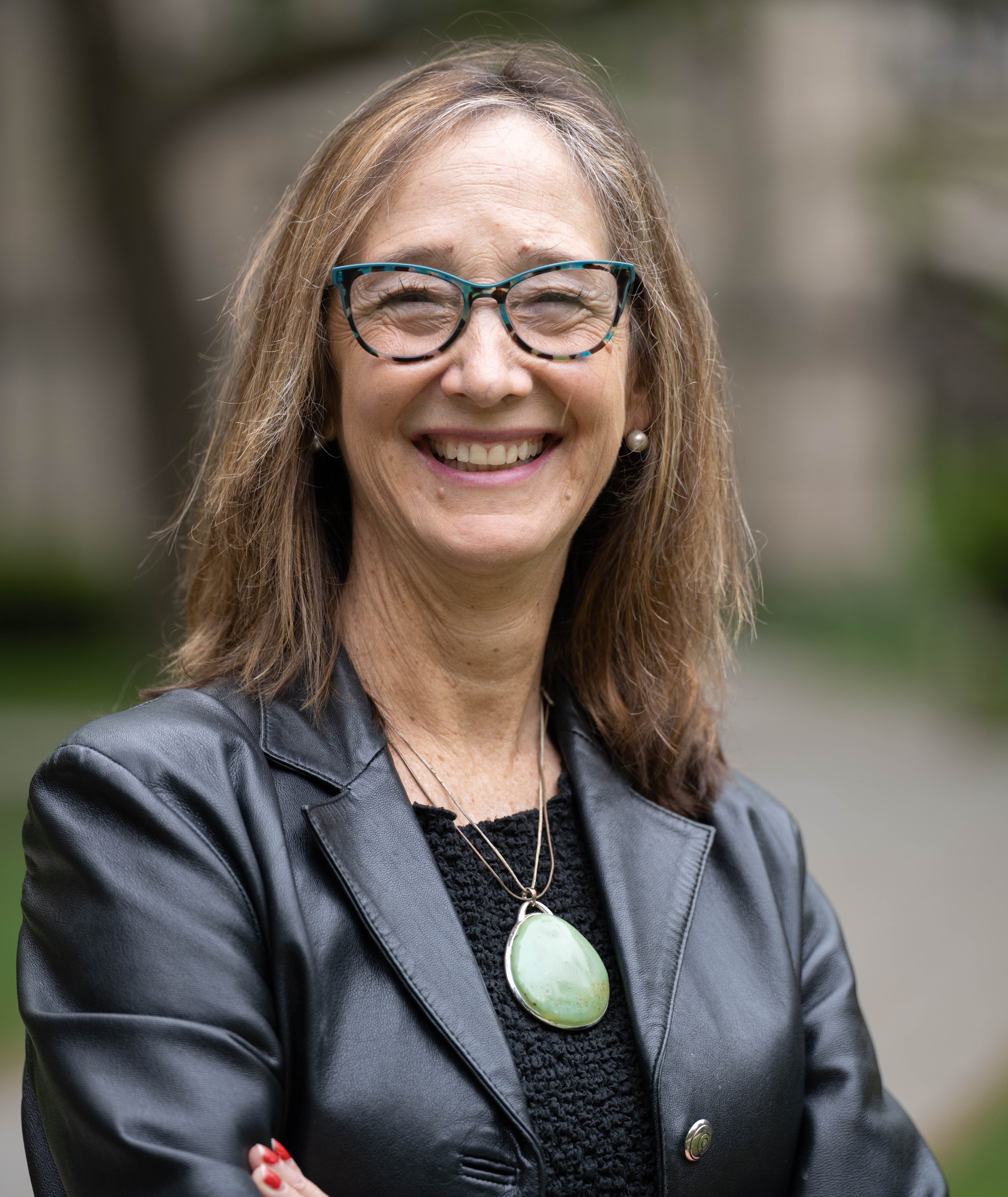
In this episode, Justin interviews Susan Stokes, the Blake Distinguished Professor of Political Science at the University of Chicago and the chair of the Chicago Center on Democracy. They discuss her new book The Backsliders, which explains how economic inequality and political polarization create conditions that allow leaders to undermine democratic institutions. She explores the roles of populism, voter behavior, and institutional erosion in democratic backsliding worldwide.

Episode: Susan Stokes - Democratic Backsliders
Published: September 17, 2025
Length: 40:42
Host: Justin Kempf