



Democracy Paradox Podcast
 About the Episode
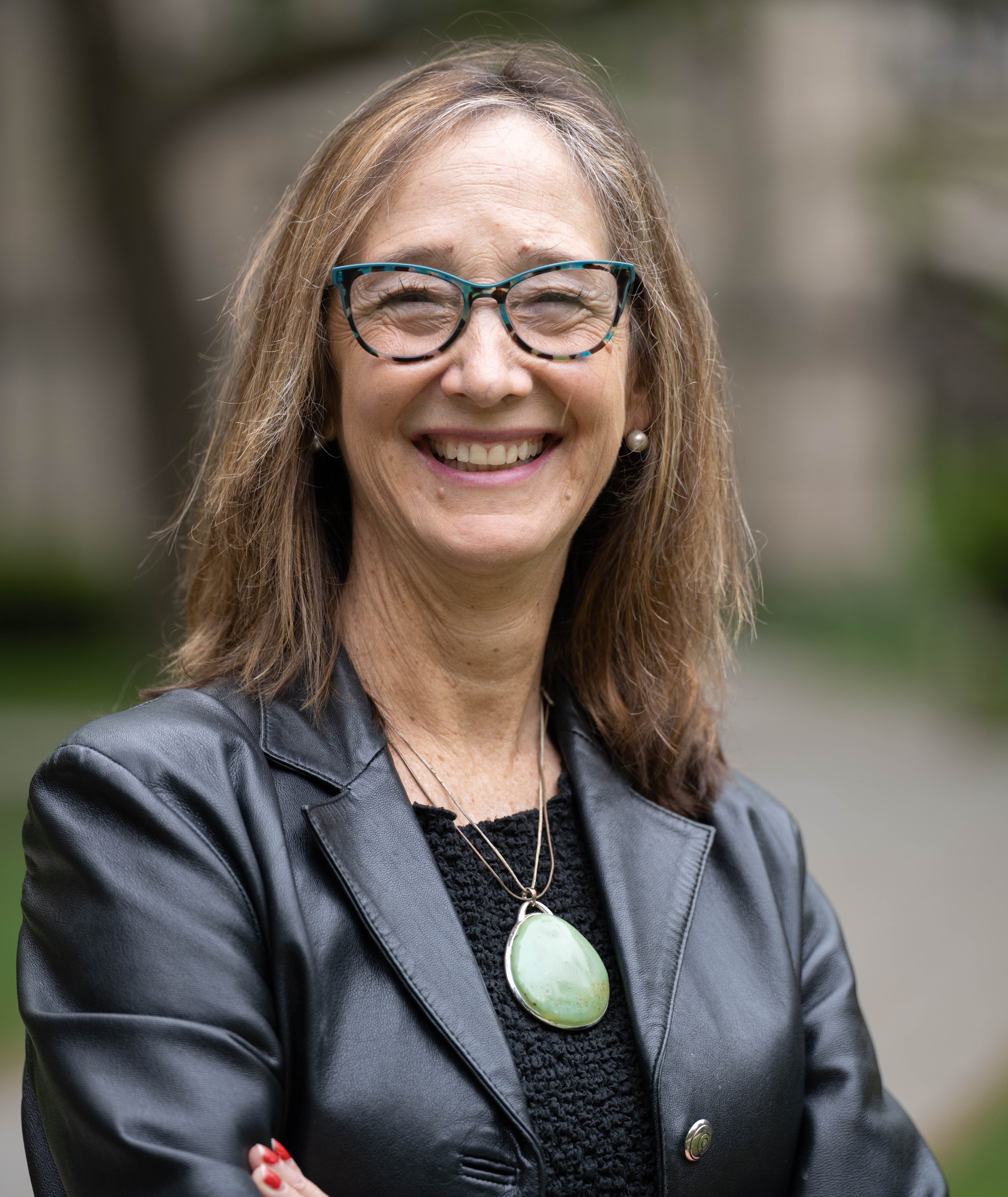
In this episode, Justin interviews Susan Stokes, the Blake Distinguished Professor of Political Science at the University of Chicago and the chair of the Chicago Center on Democracy. They discuss her new book The Backsliders, which explains how economic inequality and political polarization create conditions that allow leaders to undermine democratic institutions. She explores the roles of populism, voter behavior, and institutional erosion in democratic backsliding worldwide.
Show Notes:
The Democracy Paradox podcast returns with new episodes every other week, thanks to support from the Kellogg Institute, part of the Keough School of Global Affairs at the University of Notre Dame. The relaunch begins with a focus on democratic backsliding, a theme that remains urgent despite some bright spots globally. This episode features Susan Stokes, Blake Distinguished Professor of Political Science at the University of Chicago and chair of the Chicago Center on Democracy, to discuss her recently published book, The Backsliders: Why Leaders Undermine Their Own Democracies. Stokes explores how economic inequality and political polarization create fertile ground for populist leaders to erode democratic institutions, offering a nuanced synthesis of key concepts familiar to podcast listeners and newcomers alike.
Stokes emphasizes the interplay between structural conditions like inequality and agency embodied in leaders who actively pursue democratic erosion. Her research highlights that while economic inequality in itself is not undemocratic, it significantly increases the risk of democratic backsliding by fueling polarization and empowering populist politicians who thrive on undermining institutions such as courts and electoral bodies. Notably, she distinguishes between the manifestations of populism, where left-wing populism often emerges in Latin America, promoting redistribution, and right-wing ethnonationalism more common in advanced democracies, advocating exclusionary and nationalist policies.
A striking insight from the conversation is how populist leaders can simultaneously pursue redistributive social programs while eroding democratic norms. This paradox explains why improving economic conditions alone may not restore democracy, as entrenched leaders manipulate voter expectations and institutions to maintain power. Stokes also delves into the dynamics of polarization, showing how democratic backsliding deepens societal divisions, making recovery more difficult. She discusses strategies for depolarization, emphasizing the power of reminding citizens of shared goals and the importance of restoring trust in democratic institutions through accurate information and good governance.
The episode concludes with reflection on the role of citizens in supporting or resisting democratic backsliding, underscoring that voter discernment can check autocratic tendencies, as seen in the UK’s response to Boris Johnson’s government. Stokes also highlights the broader stakes, noting that more autocratic regimes tend to be more belligerent internationally, which makes preserving democracy essential for peace and stability. Ultimately, the conversation offers a message of cautious hope, grounded in both rigorous research and real-world examples, for reversing democratic decline through informed leadership, engaged citizenship, and institutional resilience.
Links:
- Learn more about Susan Stokes.
- Learn more about her book The Backsliders: Why Leaders Undermine Their Own Democracies.
- Learn more about the upcoming Kellogg lecture with Victoria Murillo.
- Learn more about the Kellogg Institute, the Keough School for Global Affairs, and the University of Notre Dame.