




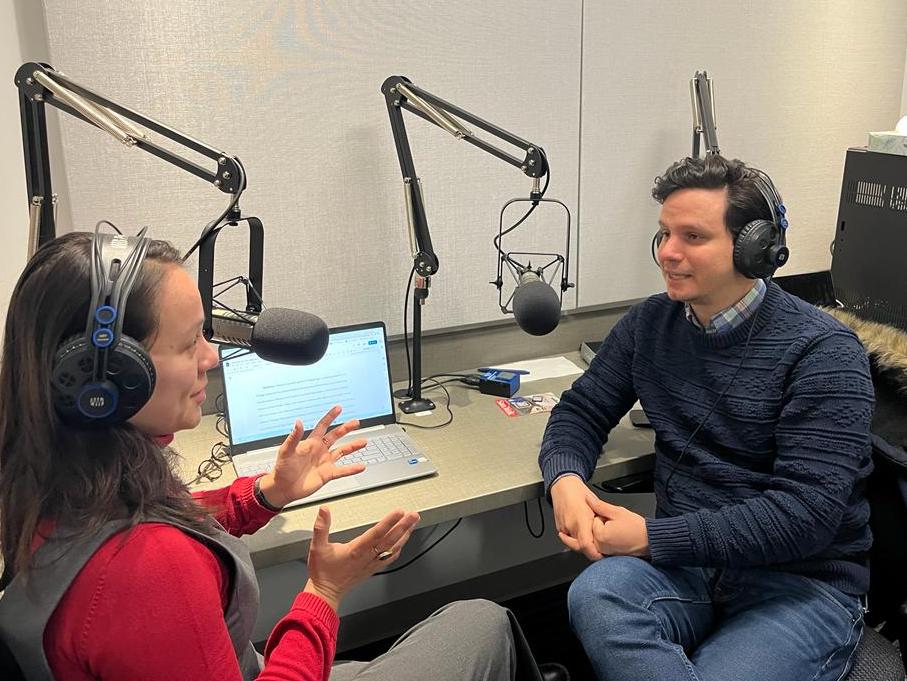
Now brought to you by the Kellogg Institute, the Democracy Paradox podcast brings scholars from political science, sociology, economics, and other disciplines to discuss social and political ideas. The aim is not to debate policy or politics, but to introduce new concepts to listeners so they can understand politics and society better. The host, Justin Kempf, works to create conversations that test our assumptions about democratic governance, while offering hope for the success of democratic ideals.
Click episode titles below to see Show Notes, Links, and other resources.
 Rachel Beatty Riedl Says Economic Inequality Is Fueling Democratic Backsliding
Political scientist Rachel Beatty Riedl joins host Justin Kempf to examine how extreme economic inequality and the growing power of transnational elites have contributed to democratic backsliding. Drawing on experiences from Africa and other third-wave democracies, Riedl explains how concentrated wealth can weaken states, distort political competition, and prevent citizens’ preferences from being represented equally in government.
Episode: Rachel Beatty Riedl Says Economic Inequality Is Fueling Democratic Backsliding
Published: August 5, 2026
Length: 47:25
Host: Justin Kempf
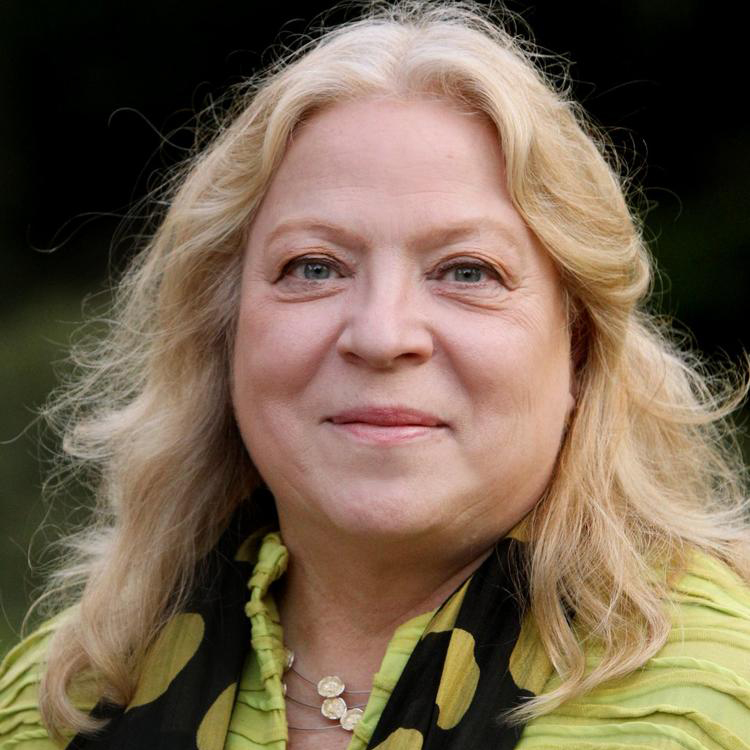 Kim Lane Scheppele on Hungary's Narrow Path Back to Democracy
Constitutional scholar Kim Lane Scheppele joins host Justin Kempf to examine Hungary’s effort to rebuild democracy after 16 years of rule by Viktor Orbán and Fidesz. They discuss how Péter Magyar and the Tisza party overcame an electoral system designed to preserve Fidesz’s power, the new government’s rapid campaign to dismantle autocratic structures, and the difficult question of whether democratic leaders can violate established norms to restore genuinely democratic institutions.
Episode: Kim Lane Scheppele on Hungary's Narrow Path Back to Democracy
Published: July 22, 2026
Length: 52:24
Host: Justin Kempf
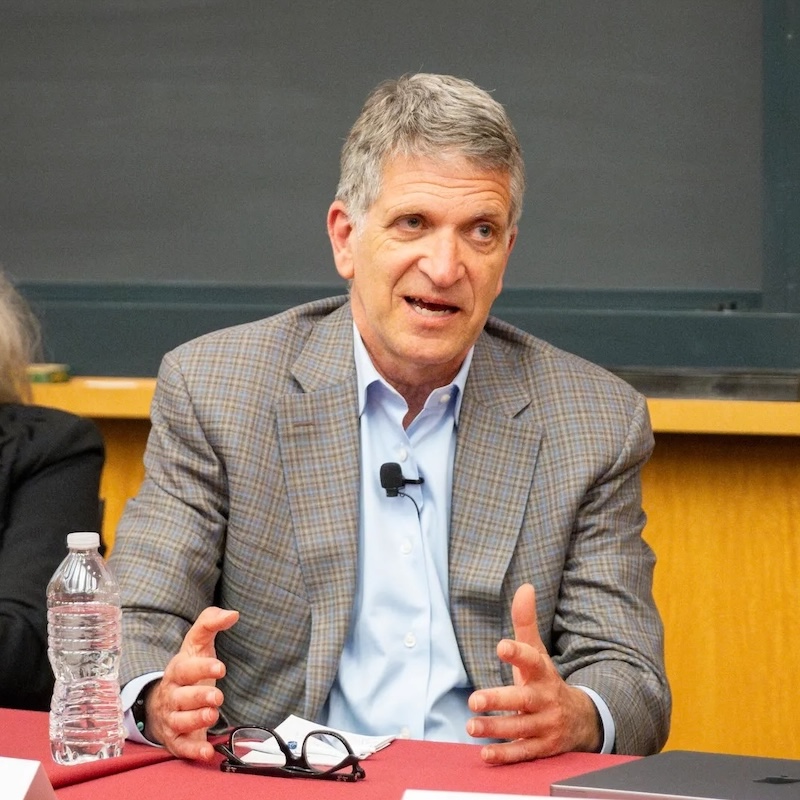 Jeffrey Kopstein Explains Why Polarization Turns Violent
Jeffrey Kopstein joins the Democracy Paradox to discuss when polarization turns violent. Drawing on his Journal of Democracy essay “When Polarization Turns Violent” and his book with Stephen Hanson, The Assault on the State, Kopstein explains why affective polarization, struggles over belonging, and the weakening or politicization of state authority can create the conditions for organized political violence. The conversation ranges from Charlottesville to lynching in the American South, pogroms in Eastern Europe, communal violence in India, and the rise of patrimonial leaders who treat the state as personal property rather than an impersonal rule-of-law institution.
Episode: Jeffrey Kopstein Explains Why Polarization Turns Violent
Published: July 8, 2026
Length: 45:53
Host: Justin Kempf
 Pepper Culpepper Says Good Populism Can Save Democracy
Pepper Culpepper joins the Democracy Paradox to discuss when populism can strengthen democracy. Drawing on his Journal of Democracy article “When Populism Can Be Good” and his book with Taeku Lee, Billionaire Backlash, Culpepper argues that corporate scandals can channel public anger toward billionaires and large corporations in ways that reinforce democratic accountability. The conversation explores good and bad populism, economic unfairness, AI, regulation, and whether democratic governments can still stand up to concentrated corporate power.
Episode: Pepper Culpepper Says Good Populism Can Save Democracy
Published: June 24, 2026
Length: 49:05
Host: Justin Kempf
 Dan Slater Says Authoritarian Ideologies Still Matter
Dan Slater joins Justin Kempf, host of the Democracy Paradox podcast, to explain why authoritarian ideologies still matter, even after the Cold War. He argues that today’s autocratic wave cannot be understood without distinguishing between authoritarian movements of the right and left – and recognizing how both can threaten democracy in different ways.
Episode: Dan Slater Says Authoritarian Ideologies Still Matter
Published: June 10, 2026
Length: 47:09
Host: Justin Kempf
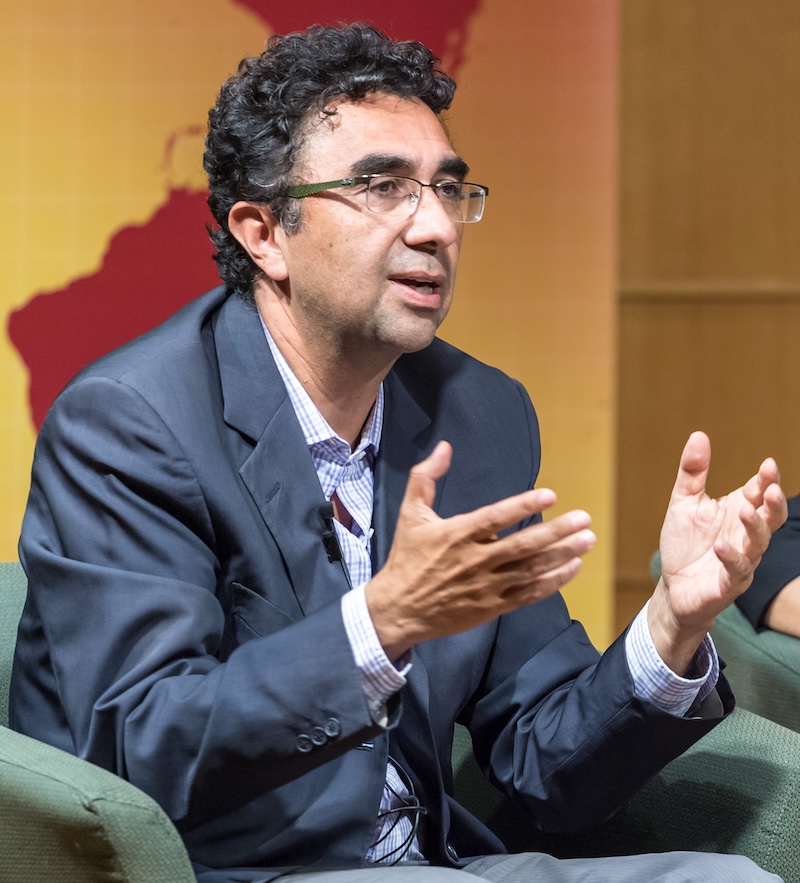 Guillermo Trejo on Accountability, Impunity, and the Fate of New Democracies
In this episode of the Democracy Paradox, Kellogg faculty fellow Guillermo Trejo discusses his new book, Accountability Shock, coauthored with Lucía Tiscornia and Juan Albarracín. Trejo explains how authoritarian security forces can survive democratic transitions and fuel organized crime, and why truth commissions, prosecutions, and institutional reforms are essential tools for preventing violence and building more durable democracies.
Episode: Guillermo Trejo on Accountability, Impunity, and the Fate of New Democracies
Published: May 27, 2026
Length: 57:57
Host: Justin Kempf
 Kenneth Roberts Says the Left Pays a Steep Price for Breaking with Democracy
Justin Kempf speaks with Kenneth Roberts about Latin America’s “left turn” and what it reveals about polarization, populism, and democracy. Drawing from Roberts’s book with Santiago Anria, Polarization and Democracy in Latin America: Legacies of the Left Turn, the conversation explores why some left-wing governments pursued moderate reforms within democratic institutions while others concentrated power and contributed to democratic erosion. Roberts argues that the left can deepen democracy through inclusion and redistribution, but it pays a steep price when it breaks with democratic norms and procedures.
Episode: Kenneth Roberts Says the Left Pays a Steep Price for Breaking with Democracy
Published: May 13, 2026
Length: 46:36
Host: Justin Kempf
 Sheri Berman Says the Democratic Recession Was Not a Surprise
This episode features a conversation with political scientist Sheri Berman on why today’s global "democratic recession" was actually predictable. Drawing from her deep historical research, Berman argues that every democratic wave eventually faces an "undertow," especially when the social and economic foundations of stability begin to fail. From the cautionary lessons of Weimar Germany to the modern rise of partisan "bubbles," this episode explores what we have forgotten about democratic stability and what it will take to secure its future.
Episode: Sheri Berman Says the Democratic Recession Was Not a Surprise
Published: April 29, 2026
Length: 50:51
Host: Justin Kempf
 Christopher Walker Revisits Sharp Power
Christopher Walker joins the Democracy Paradox to revisit the concept of “sharp power” and explain how authoritarian regimes like China and Russia use non-military tools to manipulate, censor, and shape discourse within democratic societies. The conversation explores how these tactics have evolved, whether democracies can defend themselves without compromising their values, and what this reveals about the future of democracy itself.
Episode: Christopher Walker Revisits Sharp Power
Published: April 15, 2026
Length: 45:09
Host: Justin Kempf
 Hugo Drochon Says Elites Are Inevitable
Hugo Drochon joins the Democracy Paradox to explore why elites are an unavoidable part of democracy – and why that may not be a bad thing. Drawing on classical elite theory, he explains how democratic systems depend on the constant circulation of competing elites and why outsider movements, including populism, can play a vital role in keeping democracy responsive. The conversation challenges conventional views by reframing democracy as an ongoing, dynamic struggle rather than a fixed set of institutions.
Episode: Hugo Drochon Says Elites Are Inevitable
Published: April 01, 2026
Length: 47:59
Host: Justin Kempf
 Milan Svolik Asks: Do Voters Really Support Democracy?
Political scientist Milan Svolik joins the Democracy Paradox to explain why voters who say they support democracy sometimes choose candidates who undermine it. Through experimental research, he shows how partisanship and polarization lead citizens to trade off democratic principles for policy preferences and partisan loyalty.
Episode: Milan Svolik Asks: Do Voters Really Support Democracy?
Published: March 18, 2026
Length: 01:01:06
Host: Justin Kempf
 Minxin Pei Warns China Has Descended into Totalitarianism
In this episode of the Democracy Paradox, Justin Kempf speaks with China scholar Minxin Pei about his book The Broken China Dream: How Reform Revived Totalitarianism and his argument that China under Xi Jinping has shifted from authoritarianism back toward totalitarianism. They explore the missed opportunities for political reform in the 1980s, the party’s post-Tiananmen survival strategy, and how Xi consolidated power through purges, ideological revival, and expanded social control. The conversation also reflects on what China’s trajectory reveals about the strengths – and fragility – of democracy itself.
Episode: Minxin Pei Warns China Has Descended into Totalitarianism
Published: March 4, 2026
Length: 53:41
Host: Justin Kempf
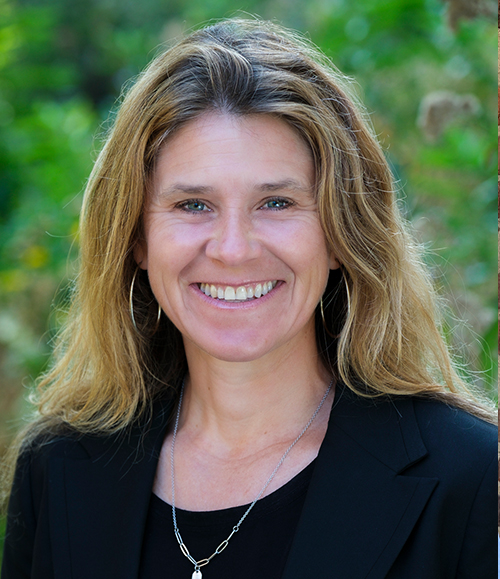 Erica Frantz Says Personalist Parties are Democracy’s Latest Threat
In this episode, Justin Kempf speaks with Erica Frantz about her book The Origins of Elected Strongmen and the rise of personalist leaders in democracies. Frantz explains how leader-dominated political parties – more than populist rhetoric alone – can erode democratic institutions from within, drawing on cases from El Salvador to France. The conversation explores why voters support such leaders and what this trend means for the future of democracy worldwide.
Episode: Erica Frantz Says Personalist Parties are Democracy’s Latest Threat
Published: February 17, 2026
Length: 51:51
Host: Justin Kempf
 Javier Pérez Sandoval Reveals Democracy’s Hidden Vulnerability: The Hollowing of the State
In this episode, Javier Pérez Sandoval discusses his Journal of Democracy essay, coauthored with Andrés Mejía Acosta, on why populist leaders often “hollow out” the state. Moving beyond familiar debates about executive aggrandizement and democratic backsliding, Pérez Sandoval argues that democracy depends on the state’s capacity to deliver essential public goods – from health and education to security, justice, and credible elections. Drawing on examples from Mexico and Argentina, he explains how both left- and right-wing populists may weaken institutions through austerity, politicization, and institutional restructuring, often prioritizing short-term political gains over long-term democratic resilience. The conversation explores how state erosion can constrain future democratic choices, undermine public trust, and create a vicious cycle that leaves democracy structurally weakened from within.
Episode: Javier Pérez Sandoval Reveals Democracy’s Hidden Vulnerability: The Hollowing of the State
Published: February 4, 2026
Length: 43:24
Host: Justin Kempf
 Kate Baldwin Explains Why Christianity Fights for Democracy in Africa
This episode features Yale political scientist Kate Baldwin in a conversation about her book Faith in Democracy, which challenges the assumption that religion is inherently hostile to democratic governance. Drawing on research from sub-Saharan Africa, Baldwin explains how Christian churches have often emerged as defenders of liberal democracy – not because of ideological commitments, but because democratic institutions protect church autonomy and social service work from state overreach. The conversation explores when and why churches mobilize against democratic backsliding, how institutional incentives shape political behavior, and what this reveals about the broader coalition of actors invested in sustaining democracy.
Episode: Kate Baldwin Explains Why Christianity Fights for Democracy in Africa
Published: January 21, 2026
Length: 37:33
Host: Justin Kempf
 Natalie Wenzell Letsa Describes the Autocratic Voter
In this episode of the Democracy Paradox, host Justin Kempf speaks with political scientist Natalie Wenzell Letsa about why some voters genuinely support ruling parties in electoral autocracies. Drawing on her book The Autocratic Voter and fieldwork in Cameroon, Letsa explains how partisan identities form under dictatorship and what these dynamics reveal about democracy, polarization, and political behavior more broadly.
Episode: Natalie Wenzell Letsa Describes the Autocratic Voter
Published: January 7, 2026
Length: 50:15
Host: Justin Kempf
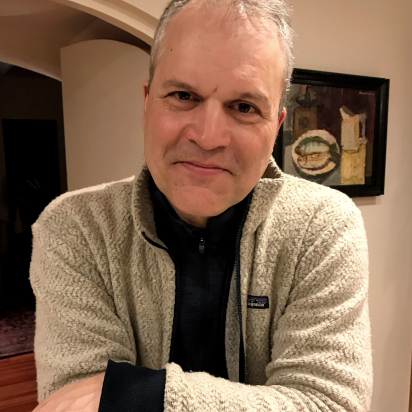 Russell Muirhead Warns Ungoverning Threatens Democracy
In this episode of the Democracy Paradox, host Justin Kempf speaks with political theorist Russell Muirhead about his book Ungoverning and the growing attack on the administrative state. Muirhead explains how “ungoverning” undermines government’s capacity to carry out basic functions, replaces expertise with personalized power, and fuels democratic backsliding. The conversation explores why effective governance is essential to democracy – regardless of ideology – and what is at stake when governing gives way to chaos.
Episode: Russell Muirhead Warns Ungoverning Threatens Democracy
Published: December 24, 2025
Length: 50:43
Host: Justin Kempf
 Luis Schiumerini on Incumbency Bias
This episode of the Democracy Paradox features political scientist Luis Schiumerini discussing his new book Incumbency Bias: Why Political Office is a Blessing and a Curse in Latin America, which reveals how holding office can either help or hurt politicians depending on whether institutions give them the capacity to meet the high expectations voters place on them. Drawing on cases from Brazil, Argentina, and Chile, Schiumerini explains how mismatches between responsibility and resources can produce either reelection advantages or disadvantages, showing that incumbency bias is often a natural result of democratic accountability rather than a sign of manipulation or backsliding.
Episode: Luis Schiumerini on Incumbency Bias
Published: December 10, 2025
Length: 44:48
Host: Justin Kempf
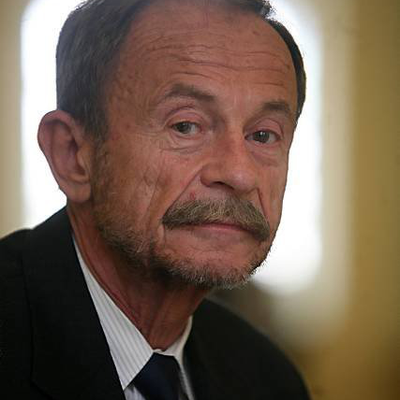 Adam Przeworski Asks Who Decides What is Democratic
In this episode, host Justin Kempf talks with political scientist Adam Przeworski about what truly defines democracy today. Przeworski explains why he sees no global democratic crisis, defends a minimalist view centered on free and fair elections, and reflects on why democracies struggle to reduce inequality. He also discusses why citizens sometimes tolerate democratic erosion and how modern autocracies maintain support, offering a clear and concise perspective on democracy’s strengths and limits.
Episode: Adam Przeworski Asks Who Decides What is Democratic
Published: November 25, 2025
Length: 50:44
Host: Justin Kempf
 Killian Clarke Warns Counterrevolution is a Threat to Nascent Democracies
Political scientist Killian Clarke joins the Democracy Paradox to discuss his new book, Return of Tyranny: Why Counterrevolutions Emerge and Succeed. He explains why democratic revolutions are especially vulnerable to reversal, how elites and citizens can align in counterrevolutionary movements, and what these dynamics reveal about democracy’s fragility and endurance today.
Episode: Killian Clarke Warns Counterrevolution is a Threat to Nascent Democracies
Published: November 12, 2025
Length: 51:54
Host: Justin Kempf
 Amel Ahmed Says the Regime Question Has Returned
This episode begins with host Justin Kempf and Javier Pérez Sandoval setting the stage for a deep dive into the “regime question,” highlighting its significance in democratic theory and contemporary politics. Their introductory discussion explores foundational divides in political systems and frames the questions that will be pursued, particularly the tensions between institutional arrangements and party cleavages. The heart of the episode follows as Kempf interviews Amel Ahmed, who draws on her comparative research to examine historical battles over parliamentary power, suffrage, and executive authority in the United Kingdom, United States, and Germany. Ahmed connects these cases to present-day concerns about legislative dysfunction and polarization, demonstrating that ongoing contestation over the rules of democracy is both persistent and essential to democratic governance.
Episode: Amel Ahmed Says the Regime Question Has Returned
Published: October 29, 2025
Length: 49:06
Host: Justin Kempf
 Thomas Carothers Says We Misunderstand Democratic Backsliding
After an introductory conversation with Kellogg Faculty Fellow Marc Jacob, Democracy Paradox host Justin Kempf explores the dynamics of global democracy with renowned expert Thomas Carothers. Carothers, the director of the Carnegie Endowment's Democracy, Conflict, and Governance Program, shares his deep knowledge and firsthand experiences in democracy promotion, focusing on the importance of coalition-building, inclusive leadership, and long-term commitment in sustaining democratic movements. Drawing from case studies in Latin America, particularly Chile and Brazil, he provides thoughtful reflections on the challenges and successes of political activism. This conversation offers insights for scholars, policymakers, and activists dedicated to advancing resilient democratic institutions worldwide.
Episode: Thomas Carothers Says We Misunderstand Democratic Backsliding
Published: October 15, 2025
Length: 52:42
Host: Justin Kempf
 Javier Corrales on Intentional Polarization
This episode of the Democracy Paradox features Javier Corrales, professor of political science at Amherst College, in conversation about his recent research on democratic backsliding and intentional polarization. The discussion explores how leaders employ extremist policies and ideological rhetoric to consolidate executive power, drawing comparisons between Venezuela, the United States, and other global contexts. With an introductory conversation with Kellogg Visiting Fellow Henry Moncrieff, the episode offers a nuanced look at opposition strategies and the complex factors shaping democratic resilience and decline.
Episode: Javier Corrales on Intentional Polarization
Published: October 1, 2025
Length: 50:49
Host: Justin Kempf
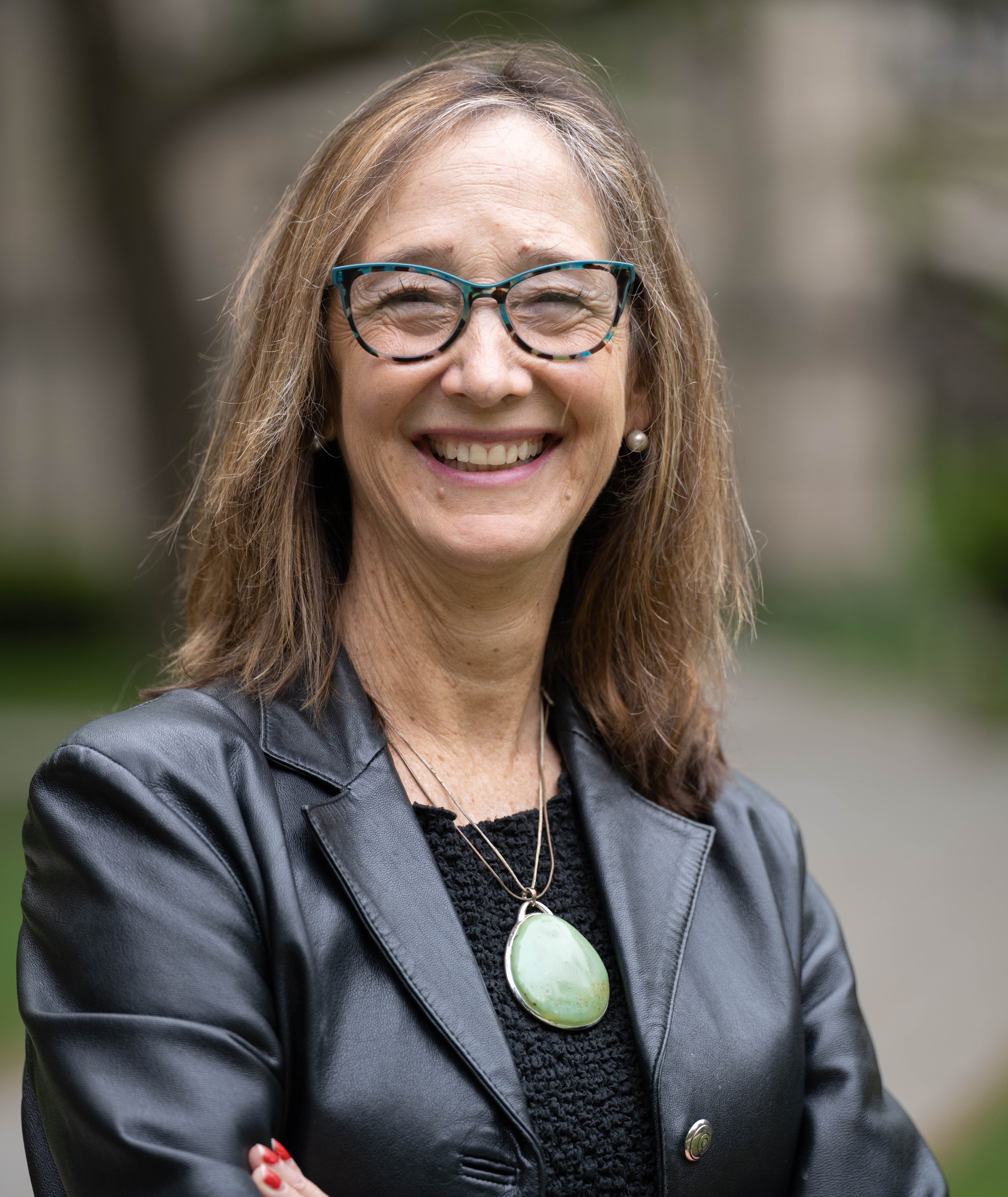 Susan Stokes on Democratic Backsliders
In this episode, Justin interviews Susan Stokes, the Blake Distinguished Professor of Political Science at the University of Chicago and the chair of the Chicago Center on Democracy. They discuss her new book The Backsliders, which explains how economic inequality and political polarization create conditions that allow leaders to undermine democratic institutions. She explores the roles of populism, voter behavior, and institutional erosion in democratic backsliding worldwide.
Episode: Susan Stokes - Democratic Backsliders
Published: September 17, 2025
Length: 40:42
Host: Justin Kempf