



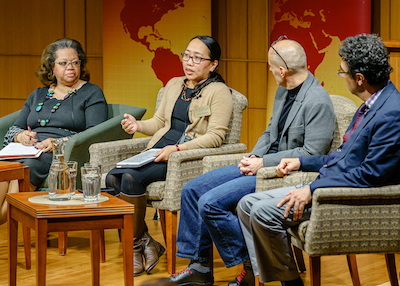
Lia presented the research she has done with her faculty adviser, Aníbal Pérez-Liñán, titled, “Rethinking Democratic Erosion and Polarization in Latin America”
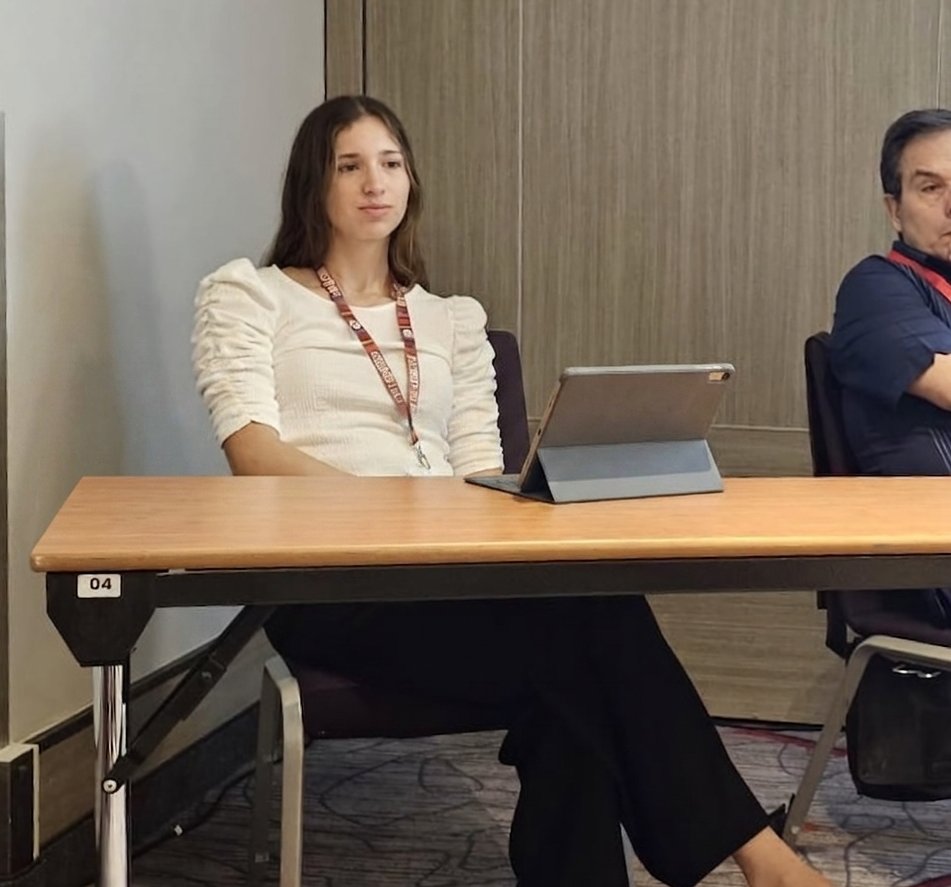 On May 28th, 2026, I had the opportunity to present a co-authored research paper at the Latin American Studies Association (LASA) Conference in Paris through the Kellogg International Scholars Program. Working alongside Professor Aníbal Pérez-Liñán, I presented our project, Rethinking Democratic Erosion and Polarization in Latin America, which examines a question that has become increasingly important for democracies around the world: Does polarization drive democratic erosion, or does democratic erosion drive polarization?
My contribution focused on developing the theoretical and methodological foundations of the project. I conducted a literature review of research on democratic backsliding, polarization, populism, and institutional accountability in Latin America and beyond. While much of the existing literature assumes that polarization contributes to democratic decline, our research explored whether the relationship may also operate in the opposite direction. In other words, democratic erosion itself may intensify political polarization by weakening institutions, reducing trust, and altering incentives for political actors.
To investigate this question, I helped identify and evaluate potential explanatory variables and contributed to the construction of a comparative dataset covering countries across Latin America. This involved gathering, cleaning, and integrating information from sources such as the Varieties of Democracy (V-Dem) Project, the World Bank, and the Standardized World Income Inequality Database (SWIID). Through this process, I gained experience with comparative political research and the methodological challenges of studying complex causal relationships across countries and over time.
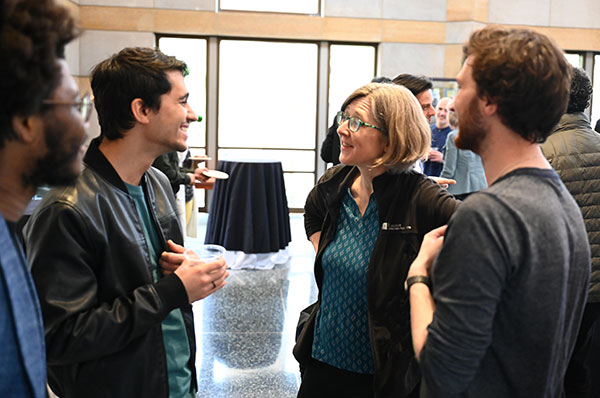
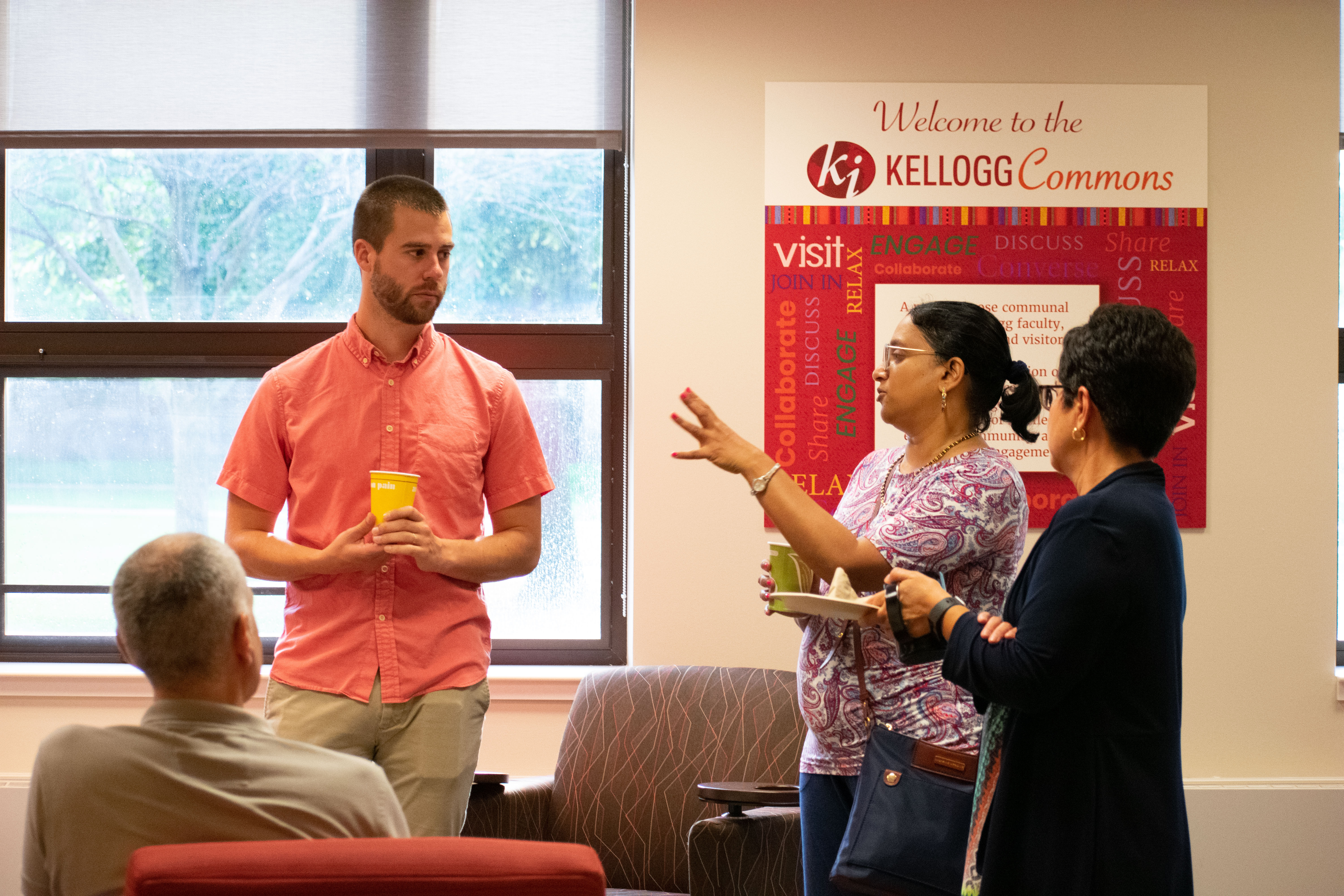
Presenting at LASA was one of the most rewarding experiences of my academic career. The conference brought together scholars from across the world who are working on many of the same questions that inspired our research. Listening to presentations and discussing our findings with faculty and graduate students exposed me to new theoretical perspectives and methodological approaches that changed the way I think about research. My favorite part of the conference was the discussion that followed our presentation. It was exciting to contribute to a debate among scholars with different perspectives and to see how complex questions can generate multiple valid interpretations.
I am especially grateful to Professor Aníbal Pérez-Liñán for his thoughtful mentorship, and for the opportunity to contribute to this project and present our work at LASA. Experiences like this highlight the unique opportunities that the Kellogg International Scholars Program provides, allowing undergraduate students to engage in meaningful research and participate as equals among renowned academics in important conversations.
As a Psychology major with minors in Business Economics and Philosophy, I am especially interested in understanding how individual behavior, social dynamics, and institutions interact. This project demonstrated how interdisciplinary research can help explain large-scale political phenomena while remaining grounded in human behavior and decision-making. It also strengthened my interest in empirical research and highlighted the importance of asking careful questions about causality rather than accepting conventional assumptions.
Beyond the research itself, LASA reinforced my desire to pursue work that bridges rigorous academic inquiry and real-world challenges. The opportunity to contribute to this project and represent Notre Dame on an international stage showed me how research can foster meaningful conversations about the future of democracy and the institutions that sustain it.