



From April to July 2026, Kellogg Doctoral Student Afiliate Julio Souza de Oliveira (history) traveled to Mexico and Chile on a Kellogg Institute Graduate Research Grant to conduct research for his project “Transnational Circulation of Self-Management Ideas: Chile, France, and Mexico in the Global Sixties.” Upon his return, he sent the following summary of his work.
Between April and July 2026, I undertook two research trips—one to Mexico City (one month) and another to Santiago, Chile (17 days)—which allowed me to complete the data-collection phase of my doctoral research. This project, funded by the Kellogg Institute, aims to examine the transnational circulation of self-management ideas between Chile, France, and Mexico during the 1960s and 1970s, through intellectual and left-wing activist networks linking the three countries. The central research question is: Is it possible to identify a historical dynamic within this transnational-conceptual triangulation among these actors and self-management movements? To answer this question, I have been conducting research trips to numerous countries since the beginning of my doctoral program (Fall 2022), consulting archives and libraries and conducting oral interviews.
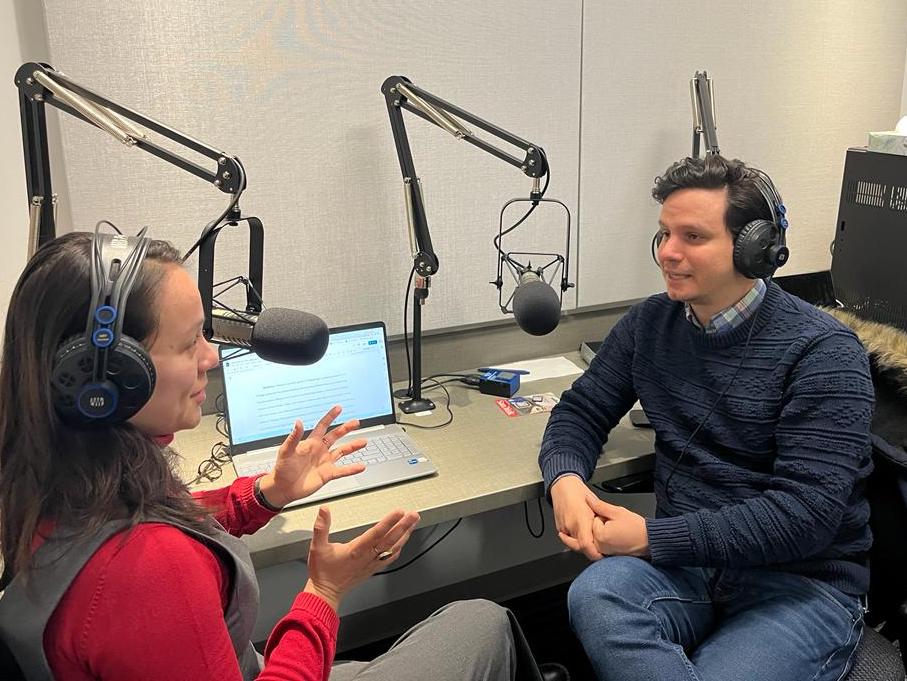
 These two research trips made it possible to complete the data-collection phase by providing access to the following archives and libraries. In Mexico City: the Archivo Histórico de la UNAM, the Biblioteca Nacional de México, the Centro de Documentación Arkheia (DGAC) del Museo Universitario Arte Contemporáneo (MUAC) de la UNAM, the Archivo General de la Nación, and the Centro de Estudios del Movimiento Obrero y Socialista A.C. (CEMOS). In Santiago, Chile: the Archivo Histórico de la PUC-Chile, the Biblioteca de Humanidades de la PUC-Chile, the Biblioteca de la Facultad de Economía y Negocios de la UChile, the Archivo Nacional Histórico de Chile, the Biblioteca Nacional de Chile, and the Centro de Documentación del Museo de la Memoria (CEDOC). In Mexico, I was able to conduct two interviews: the first with a former student activist who participated in the self-management project at the UNAM School of Architecture during the 1970s, and the second, a group interview, with a group of five former student activists who participated in the founding of the self-management project for the CCH-Oriente preparatory program at UNAM during that same period.
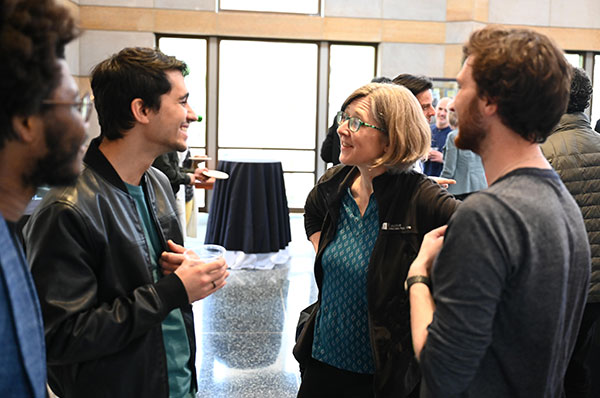
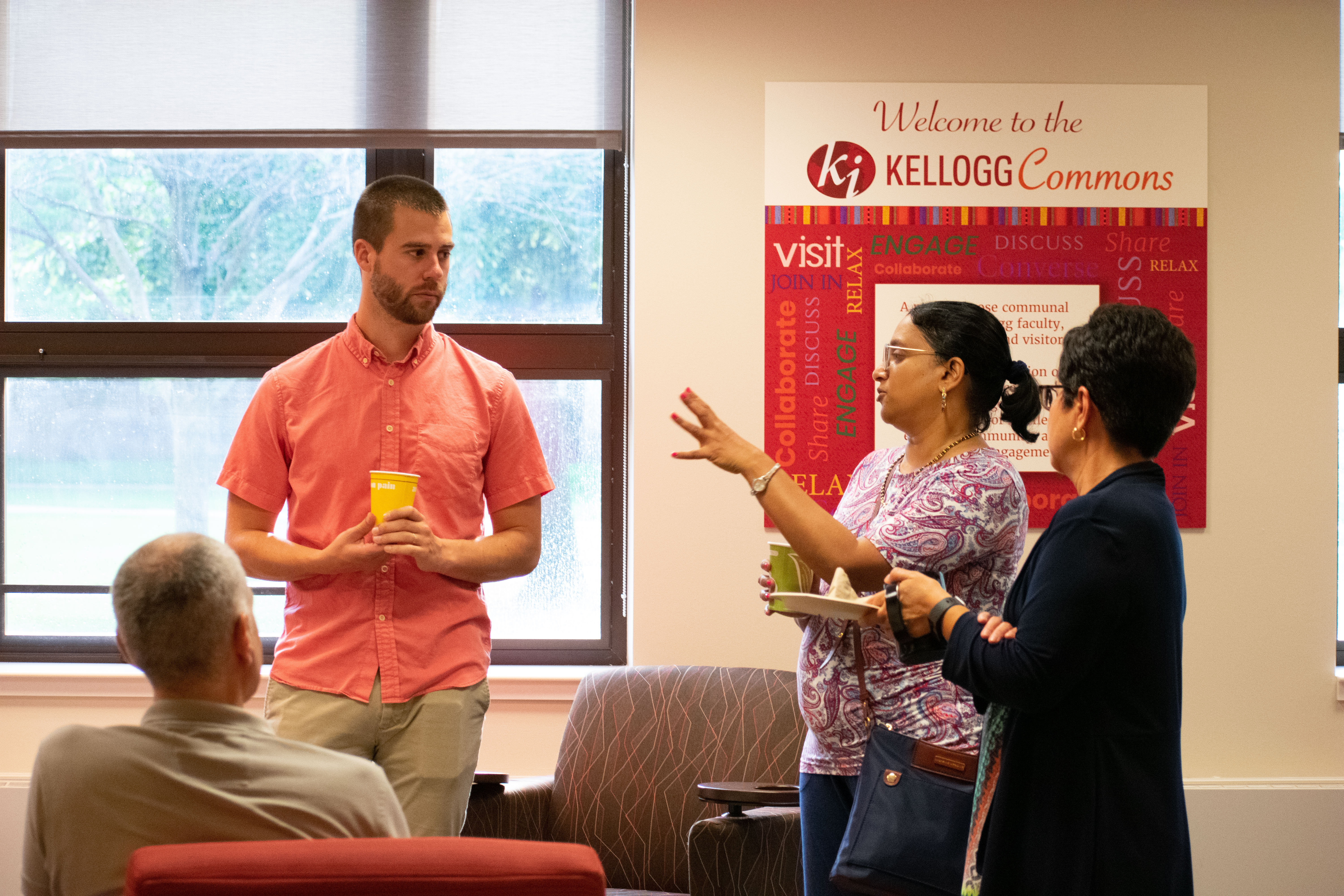
 This was an important stage in my research, as it allowed me to establish myself as a researcher in the history of self-management through the networks I came to know and became a part of. Connecting with colleagues during research trips is truly important and makes the research less lonely. In Mexico, for example, I was able to link my research trip to a doctoral fellowship at the Instituto de Investigaciones Históricas (IIH) at UNAM, through Prof. Daniel Kent Carrasco, which allowed me to exchange ideas with other colleagues. In Chile, despite the short stay, I attended two sessions of the IV LASA Southern Cone Symposium, where I was able to meet and reconnect with colleagues. In short, it’s always good to connect with colleagues locally, discuss research, and form new friendships and partnerships.
In terms of logistics and personal matters, I should point out that it’s always necessary to be well-organized before and during research trips. Since these weren’t my first trips to those cities or countries, I already had an idea of the challenges I’d face once I got there. In the case of Mexico City, the altitude is something that shouldn’t be overlooked. It affects me every time I go there, and it takes a few days to adjust after I arrive. Another thing—for both trips, and especially for Santiago, where the stay was shorter—was that it was important to contact institutions and individuals in advance, before the trips, letting them know that I’d like to meet with them, conduct an interview, consult specific materials, and so on. In Chile, everything is scheduled, so organization is key! In Mexico, the fact that I had contacted some colleagues and activated some networks in advance allowed me to access local networks, meet individuals who had lived through the historical processes I’m analyzing, and conduct the interviews in person.