



After nearly a decade of decline, support for democracy is rising across nearly every country surveyed in the 2026 AmericasBarometer. But at a Washington, D.C., forum marking the release of the latest findings, researchers and policy experts explored a more complicated set of questions: What is driving the change? What do people mean when they say they support democracy? And what will it take to sustain that support?
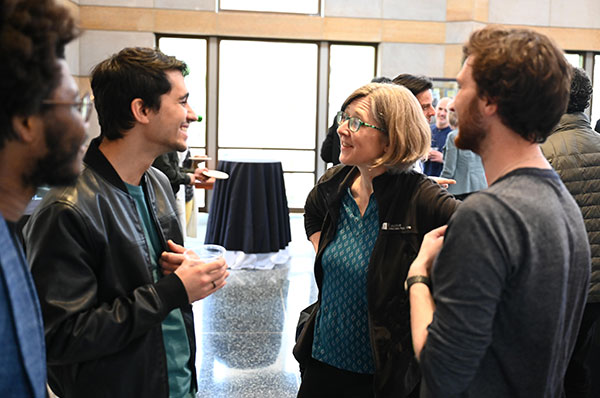
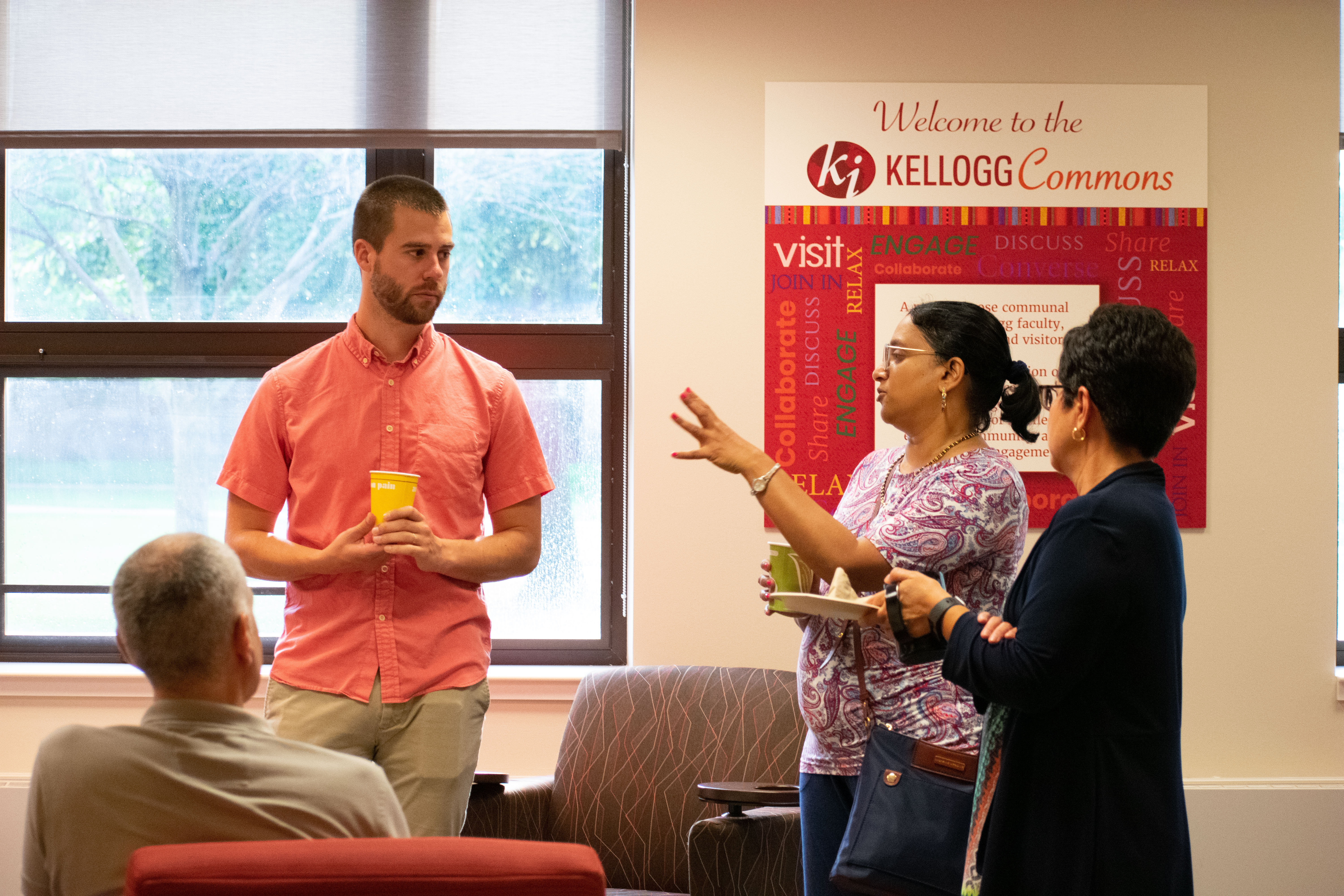
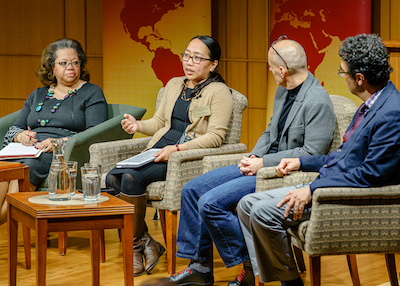
The Sept. 9 event, hosted by the University of Notre Dame’s Keough School of Global Affairs, the school’s Kellogg Institute, Vanderbilt University’s Center for Global Democracy and the Inter-American Dialogue, convened researchers and policy experts to examine the new findings and their implications for democratic resilience, governance and public policy. The event took place at the Keough School Washington Office.
Mariana Rodríguez Vargas, director of research and engagement at Vanderbilt’s Center for Global Democracy, highlighted the report’s key findings. About 65% of adults in Latin America now say democracy is preferable to any other form of government, a six-percentage-point increase since 2023. Support increased in nearly every country surveyed and across age and education groups.
For Oliver Stuenkel, a senior fellow at the Carnegie Endowment for International Peace, the findings also have significance beyond Latin America.
“Defending democracy is never-ending,” Stuenkel said, emphasizing the importance of understanding how democratic attitudes are changing at a time when democratic norms and institutions are under attack globally.
The discussion moved beyond the headline number to consider what might be behind the increase, and whether it can last.
Better conditions, stronger support
The report’s findings suggest that when people’s daily quality of life improves — greater economic and food security as well as less insecurity— this may positively influence their support for democracy. In most countries, fewer people reported that their national economy had worsened over the previous year. Perceptions of neighborhood safety also continued to improve, while crime victimization declined more modestly.
Noam Lupu, director of Vanderbilt’s Center for Global Democracy, highlighted the importance of that connection in understanding the new results. The increase in support is encouraging, he said, but researchers will need to see whether the trend continues as economic and security conditions change.
The conversation also explored governance. While some conditions have improved, low satisfaction with government performance and concerns about corruption remain important factors that shape how people view their political systems and ultimately threaten to undermine support for democracy.
What does “democracy” mean?
During panels, speakers explored what people actually mean when they say they support democracy.
 Abby Córdova, associate professor of global affairs at the Keough School and a contributor to the report, noted that support for elections does not necessarily translate into support for the broader liberal democratic system, including checks and balances, civil liberties and limits on executive power.
She discussed new measures in the 2026 AmericasBarometer examining support for illiberal authoritarianism — a view of democracy centered on elections in which elected leaders are seen as having broad authority to govern as they see fit. Her work on the subject is part of a larger research project co-authored with political scientist Gessica de Freitas.
Rebecca Bill Chavez, president and CEO of the Inter-American Dialogue, raised a related question in discussing security. El Salvador’s experience, she noted, illustrates the appeal of governments that promise dramatic improvements in public safety while also raising questions about the tradeoffs for democratic institutions.
Together, those perspectives added an important dimension to the report’s headline finding. Rising support for democracy matters, but the nature of that support matters too, particularly as citizens weigh democratic principles against their expectations for security, effective government and economic well-being.
The report’s findings also informed discussions with U.S. policymakers. Following the forum, Abby Córdova and Mariana Rodríguez Vargas presented highlights from the AmericasBarometer research on Capitol Hill, meeting with the Senate Foreign Relations Committee, the House Foreign Affairs Committee, and offices of Members of Congress from the Indiana and Tennessee delegations. They discussed the implications of the findings for U.S. foreign policy and answered questions about the research.
Security and a changing region
Those questions took on a broader regional and international dimension during a fireside conversation with Juan Cruz, senior adviser with the Americas Program at the Center for Strategic and International Studies.
Cruz pointed to security as a central concern shaping public attitudes across the region and discussed the appeal of governments that promise quick solutions to persistent problems. The conversation also touched on the role of the United States, China’s growing presence in Latin America and the ways countries in the region are responding to changing global dynamics.
“Security is the dominant concern for people across the region, and that shapes how they think about democracy and what they expect from their governments,” Cruz said.
Learn More
Read the 2026 Pulse of Democracy report and explore the AmericasBarometer data and resources.